
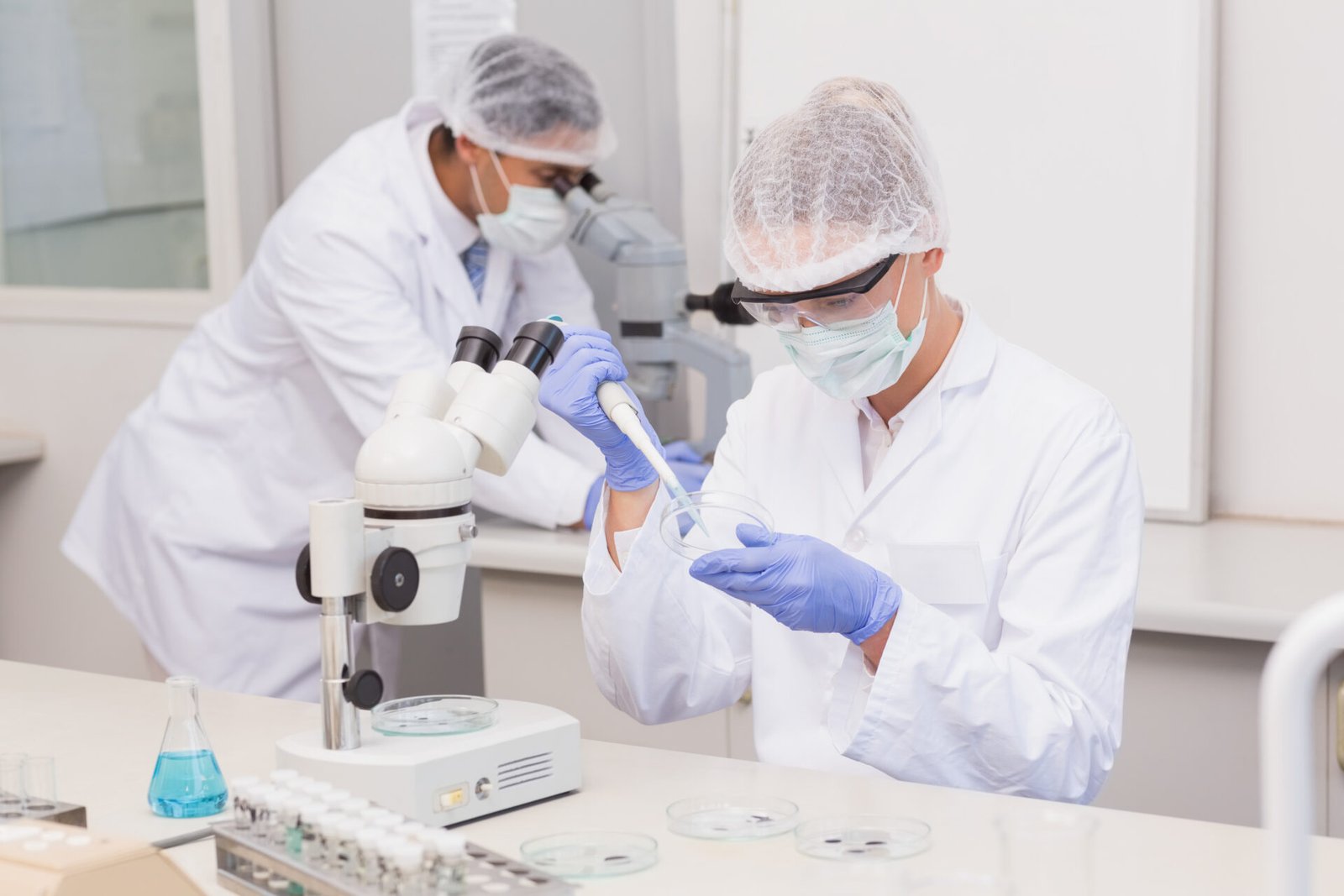
Sample Collection Science and Technology: The Future of Modern Diagnostics
Sample Collection Science and Technology: The Future of Modern Diagnostics
Sample Collection Science and Technology play a vital role in modern healthcare diagnostics. Advances in specimen collection methods, digital tracking systems, laboratory technologies, and mobile healthcare services are improving diagnostic accuracy, patient safety, and healthcare efficiency. Furthermore, innovative collection technologies are helping healthcare providers deliver faster and more reliable testing outcomes.
As healthcare systems increasingly embrace digital innovation, automation, and patient-centred care, modern sample collection methods are becoming more sophisticated than ever before. From advanced blood collection systems and digital specimen tracking to home healthcare solutions and artificial intelligence, the future of diagnostics begins with high-quality sample collection.
Furthermore, advances in sample collection science and technology are transforming how healthcare professionals collect, preserve, transport, and process biological specimens. As a result, healthcare organisations can improve diagnostic accuracy while enhancing patient outcomes.
Understanding Sample Collection Science and Technology
Sample collection science and technology encompasses the methods, procedures, equipment, and innovations used to obtain biological specimens for laboratory testing and medical diagnosis.
Every diagnostic result depends on the quality of the collected specimen. Regardless of how advanced a laboratory may be, inaccurate or compromised samples can lead to unreliable results, delayed diagnoses, and unnecessary repeat testing.
Common specimens collected in healthcare settings include:
- Blood samples
- Urine samples
- Saliva samples
- Tissue specimens
- Swab samples
- Stool samples
- Genetic testing samples
The primary objective is to ensure specimen integrity while maintaining patient safety, comfort, and diagnostic accuracy throughout the testing process.
Why Sample Collection Matters More Than Ever
Importantly, specimen quality directly influences the reliability of laboratory results. Consequently, healthcare providers continue to invest in advanced collection technologies that improve every stage of the diagnostic process.
Research consistently demonstrates that a significant percentage of laboratory errors originate during specimen collection, handling, transportation, and preparation. Consequently, healthcare organisations are investing heavily in technologies designed to improve every stage of the collection process.
Effective sample collection helps:
- Improve diagnostic accuracy
- Reduce specimen contamination
- Minimise repeat testing
- Accelerate treatment decisions
- Enhance laboratory efficiency
- Improve patient outcomes
- Reduce healthcare costs
As a result, sample collection is no longer viewed as a routine task but as a critical component of modern healthcare delivery.
Advanced Blood Collection Systems
Moreover, modern blood collection systems help reduce contamination risks while improving specimen stability. Therefore, laboratories can process samples more efficiently and accurately.
Innovations include:
- Vacuum-assisted blood collection systems
- Safety-engineered needles
- Improved specimen stabilisation tubes
- Enhanced plasma separation technologies
- Reduced contamination collection devices
- Automated laboratory-compatible containers
These developments not only increase collection efficiency but also help preserve sample quality throughout transportation and laboratory processing.
Digital Specimen Tracking and Management
In addition, digital tracking systems improve specimen visibility throughout the testing journey. As a result, healthcare providers can reduce identification errors and enhance patient safety.
Healthcare providers now use sophisticated specimen management platforms that provide:
- Real-time sample tracking
- Barcode identification systems
- Chain-of-custody monitoring
- Automated documentation
- Error reduction protocols
- Enhanced laboratory workflow integration
Furthermore, digital tracking significantly reduces administrative errors while improving specimen traceability and patient safety.
Home Sample Collection: Transforming Patient Access
Furthermore, home sample collection services are becoming increasingly popular among patients seeking greater convenience. Additionally, these services improve accessibility for elderly individuals and those with mobility limitations.
One of the fastest-growing innovations in sample collection science and technology is home-based specimen collection. Patients can now access professional blood collection services without visiting hospitals or diagnostic centres.
Qualified mobile phlebotomists can collect samples from:
- Private homes
- Offices
- Care homes
- Assisted living facilities
- Corporate workplaces
This approach improves healthcare accessibility while providing a more convenient and comfortable patient experience.
Home collection services are particularly beneficial for:
- Elderly patients
- Individuals with mobility challenges
- Busy professionals
- Patients requiring frequent monitoring
- Immunocompromised individuals
As healthcare becomes increasingly patient-focused, home sample collection is expected to play an even greater role in diagnostic services.
Emerging Technologies Revolutionising Sample Collection
Innovation continues to drive significant advancements across diagnostic healthcare.
These advanced systems offer numerous benefits:
- Faster test processing
- Reduced specimen requirements
- Lower operational costs
- Improved portability
- Point-of-care testing capabilities
As these technologies continue to mature, they have the potential to transform healthcare delivery, particularly in remote and underserved communities.
Non-Invasive Sample Collection Methods
Patient comfort remains a major focus of modern healthcare innovation.
Consequently, researchers are developing non-invasive diagnostic solutions that minimise discomfort while maintaining testing accuracy.
Examples include:
- Saliva-based diagnostics
- Oral fluid testing
- Breath analysis technologies
- Wearable biosensors
- Minimal-volume blood sampling devices
These innovations improve patient compliance and expand access to healthcare diagnostics.
Artificial Intelligence in Diagnostic Workflows
Similarly, artificial intelligence is helping laboratories optimise workflows and manage increasing testing demands. Consequently, healthcare providers can deliver faster and more reliable diagnostic services.
AI-supported systems can assist with:
- Specimen processing optimisation
- Workflow automation
- Quality assurance
- Predictive analytics
- Laboratory efficiency monitoring
- Data interpretation support
Moreover, artificial intelligence helps laboratories manage increasing testing volumes while maintaining high standards of accuracy and quality control.
Improving Patient Experience Through Innovation
Patient-centred healthcare is a defining trend across modern medical services.
Today’s healthcare providers understand that successful diagnostics require more than accurate laboratory analysis. Patients expect convenience, accessibility, efficiency, and comfort throughout the testing journey.
Modern sample collection technologies help achieve these objectives by improving:
- Appointment flexibility
- Collection efficiency
- Specimen reliability
- Patient safety
- Data security
- Healthcare accessibility
Consequently, innovations in sample collection are contributing to a more positive healthcare experience for both patients and providers.
The Role of Sample Collection in Preventive Healthcare
Preventive medicine is becoming increasingly important in healthcare systems worldwide.
Regular health screening programs depend heavily on efficient and reliable specimen collection. Blood tests, genetic screening, biomarker analysis, and chronic disease monitoring all rely on high-quality samples.
Effective collection practices support early detection of:
- Cardiovascular disease
- Diabetes
- Thyroid disorders
- Nutritional deficiencies
- Hormonal imbalances
- Infectious diseases
- Cancer biomarkers
Therefore, advancements in sample collection science directly contribute to improved preventive healthcare outcomes and earlier medical intervention.
Frequently Asked Questions
What is sample collection in healthcare?
Sample collection is the process of obtaining biological specimens such as blood, urine, saliva, or tissue samples for laboratory testing and medical diagnosis.
Why is sample collection important?
Accurate sample collection helps ensure reliable laboratory results, supports clinical decision-making, and reduces diagnostic errors.
What technologies are used in modern sample collection?
Modern sample collection technologies include vacuum blood collection systems, barcode tracking, specimen stabilisation devices, digital monitoring systems, and artificial intelligence-supported workflows.
How does technology improve diagnostic testing?
Technology improves specimen quality, reduces handling errors, enhances tracking, supports laboratory efficiency, and improves overall patient outcomes.
Conclusion
In conclusion, sample collection science and technology continue to play a vital role in modern healthcare diagnostics. Furthermore, ongoing innovations are improving specimen quality, patient safety, and laboratory efficiency. As a result, healthcare providers can deliver more accurate diagnoses and better patient outcomes. Ultimately, advances in sample collection technology will remain a key driver of future healthcare innovation.
Book an Appointment
Experience Professional Sample Collection Services
Advances in sample collection science and technology have made diagnostic testing more accurate, efficient, and accessible than ever before. At London Phlebotomy, we combine professional expertise with modern collection practices to ensure every specimen is collected safely, handled correctly, and transported securely for laboratory analysis.
Whether you require routine blood testing, specialist diagnostic samples, health screening, or private laboratory testing, our experienced phlebotomy team provides convenient and reliable sample collection services across London.
Contact Us
If you would like to learn more about sample collection services, home blood testing, or mobile phlebotomy appointments, our team is here to help.
We are committed to delivering professional, reliable, and patient-centred specimen collection services while maintaining the highest standards of safety, accuracy, and clinical care.
Whether you are an individual patient, healthcare provider, clinic, corporate organisation, or care facility, we can support your diagnostic testing requirements with flexible and convenient collection solutions.